
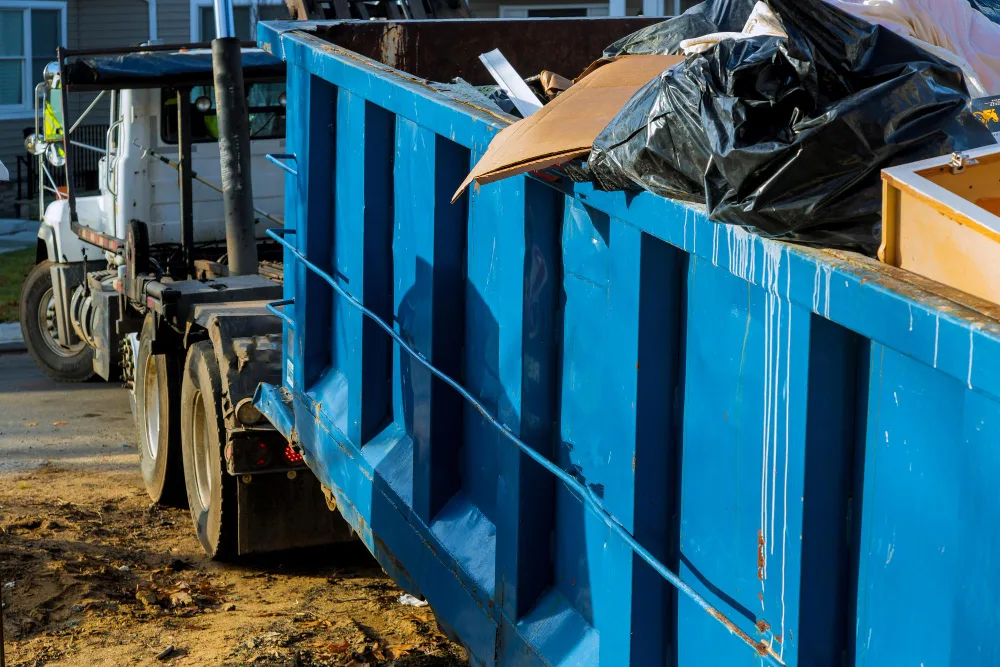
Renting a dumpster in Orlando is straightforward, but tossing the wrong materials can cost you. Overweight fees, disposal penalties, and environmental fines can add $100–$500 or more to your bill if you're not careful. Need help figuring out what's allowed before your project starts? Call Tip Top Containers at (407) 660-2022 for a free quote.
Whether you're clearing out a Lake Nona garage, tackling a College Park renovation, or cleaning up storm debris after a rough hurricane season, knowing what can and can't go in your container saves time, money, and headaches.
What Can You Toss Without a Second Thought?
Most general household and construction waste is fair game for dumpster rentals in Orlando. Here's what you can load up without any issues:
Accepted materials include:
- Drywall, lumber, and framing scraps
- Roofing shingles and gutters
- Carpet, flooring, and tile
- Furniture and household items
- Cardboard and general trash (non-wet)
- Yard trimmings like branches and shrubs (see yard waste section below)
- Metal scraps and light fixtures
These are the materials our team sees most often in residential projects across Central Florida. They go in the container, get hauled away, and you don't give them another thought.
What Hazardous Materials Are Banned From Dumpsters?
Batteries, paints, chemicals, and other hazardous materials cannot go in a roll off container rental in Orlando, Florida. This isn't just a company rule. It's Florida law.
Florida's Department of Environmental Protection classifies many common household products as hazardous waste. Dumping them in a roll off dumpster can contaminate groundwater, violate federal disposal regulations, and result in fines ranging from $500 to several thousand dollars per violation.
Prohibited hazardous materials include:
- Car batteries and lithium batteries
- Latex and oil-based paint (even dried cans in some cases)
- Pesticides, herbicides, and fertilizer chemicals
- Motor oil and automotive fluids
- Propane tanks and compressed gas cylinders
- Pool chemicals and cleaning solvents
- Asbestos-containing materials
If you're not sure whether something qualifies as hazardous, call before you toss. Orange County operates household hazardous waste drop-off events several times per year where residents can dispose of these items safely and for free.
How Do Florida Regulations Handle Tires, Appliances, and Electronics?
Tires, refrigerators, and electronics require separate disposal in Florida, and they cannot go into a standard roll off container rental in Orlando, Florida.
Here's how each category is handled locally:
Tires: Florida charges a $1–$2 recycling fee per tire at the point of sale. Loose tires are banned from landfills under Florida Statute 403.7185. Retailers and tire shops are legally required to accept used tires for recycling.
Appliances (white goods): Refrigerators, freezers, and air conditioners contain refrigerants regulated under the EPA's Clean Air Act Section 608. These must be drained by a certified technician before disposal. Orange County Utilities accepts large appliances through its bulk waste pickup program.
Electronics (e-waste): TVs, computers, printers, and monitors fall under Florida's Electronics Recycling Act. Best Buy, Staples, and several Orange County drop-off sites accept e-waste at no charge.
The bottom line: if it plugs in, rolls, or contains refrigerant, it needs a separate disposal path.
Does Yard Waste Need Special Handling in Florida?
For most residential projects in the Orlando area, yard waste can go in a roll off dumpster, with a few conditions.
Central Florida's heat and humidity mean lawn and landscaping projects generate a lot of debris fast. Branches, brush, sod, shrubs, and palm fronds are generally accepted. However, wet organic material, heavily compacted soil, and large root balls can push containers over their weight limit quickly.
A 20-yard dumpster typically has a weight limit in the range of 4,000–6,000 lbs. A single large oak tree's root ball can weigh 500–1,500 lbs on its own. If you're doing a major tree removal or full yard clearing, talk to us about sizing before you rent. Selecting the right container from the start is almost always cheaper than paying overage fees later.
Also worth knowing: concrete and dirt require separate containers. If your landscaping project involves breaking up a concrete patio or walkway, check out our demolition dumpster options for the right fit.
What Happens if You Overload or Misload a Dumpster?
Overweight fees are real, and they add up fast. Each dumpster size comes with a weight allowance built into the flat-rate price. Go over that limit, and additional charges apply, typically calculated per ton.
Beyond cost, improper disposal creates bigger problems:
- Environmental fines: Dumping prohibited materials can trigger investigations and penalties from Florida DEP or Orange County Code Enforcement.
- Transport safety risks: Overloaded containers are a hazard on Orlando roads. Drivers can be cited for unsecured or overweight loads.
- Project delays: If a container gets flagged during pickup, your project timeline stalls.
We've seen this happen to homeowners in Dr. Phillips and Winter Park who underestimated the weight of their cleanout debris. A quick phone call before loading could have saved them hundreds of dollars.
How Can You Get the Most Out of Your Dumpster Rental?
Here are a few practical tips from our team that help Orlando residents stay compliant and get the best value from their roll off container rental:
- Break down bulky items like furniture and cardboard before loading. You'll fit more in without hitting weight limits.
- Load heavy items first, then layer lighter debris on top. This distributes weight evenly and reduces the chance of overflow.
- Avoid tossing loose dirt or concrete into a standard container. These materials are dense and add weight fast. Separate concrete containers are available.
- Don't overfill past the rim. Florida law requires loads to be level with or below the container's top edge for safe transport.
- Call with questions before you load. Our team has 60 years of combined experience in the recycling and waste industries. We'd rather answer a quick question than have you deal with an unexpected fee.
Ready to Rent? Here's How to Get Started
Knowing what goes in your dumpster is the first step. Choosing the right size is the second. Tip Top Containers offers four roll off container sizes, from 10 to 40 cubic yards, with flat-rate pricing that includes delivery, pickup, and disposal. No fuel fees. No hidden charges.
We serve residents across the Orlando area, and we're ready to help you figure out exactly what you need for your project. Call us at (407) 660-2022 to get a free quote today.