
Call Us Today
(407) 660-2022
Request A Quote
You’ve finally started that big renovation in College Park, or maybe you’re clearing out a garage in Lake Nona before hurricane season hits. You have a mountain of junk, and you’re ready to toss it all. But before you start throwing everything into the bin, you need to know the rules.
State laws and local Orange County regulations ban specific items from landfills. If you toss the wrong thing, you risk fines or having your load rejected. In our years serving Central Florida, we’ve seen many projects delayed because someone accidentally tossed a car battery or a can of wet paint into the bin.
Knowing what’s allowed helps your cleanup go smoothly. Here is a guide to what you can’t throw away and how to handle those tricky items.
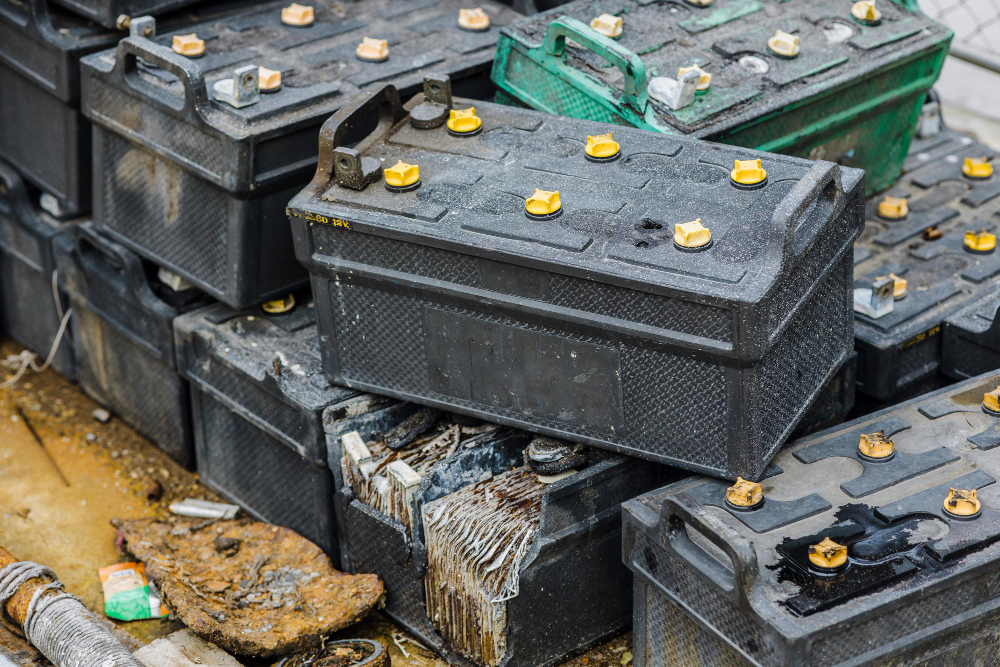
You cannot put hazardous waste, liquid paint, tires, batteries, or medical waste in a standard dumpster. Hazardous materials pose a fire risk or can leak toxic chemicals into the Florida groundwater. If our drivers spot these items, we cannot haul the container until they are removed. This protects the environment and keeps our staff safe.
Here is a breakdown of the specific items that trip people up the most.
This category includes pesticides, motor oil, bleach, propane tanks, and household cleaners. These items are dangerous. Under the hot Orlando sun, a pressurized tank or a bottle of chemicals can burst or ignite inside a steel container.
You can throw away paint cans, but only if they are empty or completely dry. Liquid paint is banned from the landfill.
Pro Tip: If you have half-empty cans of latex paint, you don't have to drive them to a hazardous waste center. Pop the lid off and pour in some kitty litter or sawdust. Let it sit in the sun for 24-48 hours until it hardens. Once it’s a solid block, you can toss it in your dumpster rentals.
It is illegal to dispose of whole tires in a landfill in Florida. Tires trap methane gas, which can damage landfill liners, and they hold water, creating breeding grounds for mosquitoes. Since mosquitoes are a year-round nuisance here in Orange County, local regulations are strict about this.
You usually have to pay a small fee, often around $5 to $10 per tire, to have them recycled at a tire shop or taken to a specific processing facility.
No, you cannot put televisions, computers, monitors, or printers in a roll-off dumpster. These items, known as "e-waste," contain heavy metals like lead and mercury. If these metals leech into the soil, they contaminate the local water supply.
Orange County provides designated drop-off spots for e-waste. You can typically take these items to the Orange County Landfill on Young Pine Road or the McLeod Road Transfer Station. Best Buy and other electronics retailers also offer recycling programs for old tech, sometimes for free.
Large appliances like refrigerators, freezers, and A/C units usually contain Freon or other refrigerants. Federal law requires certified professionals to remove these chemicals before the unit is scrapped. Because of this, you generally cannot toss them in a standard dumpster.
If you're tearing down a kitchen and have demolition dumpsters on-site for drywall and cabinets, keep the fridge separate. Some scrap metal collectors will pick up appliances for free, or you can pay a small fee to the county to handle them responsibly.
If you hide prohibited items in your dumpster, you will likely face additional fees or a refusal of service. When a dumpster arrives at the transfer station, it gets dumped out and inspected. If the facility finds a car battery or a jug of motor oil hidden in the debris, they charge us a contamination fee. We have to pass that cost on to you.
Contamination fees can range from $50 to over $150, depending on the severity and the facility. In some cases, if the load is rejected entirely, you might have to pay for the dumpster to be returned to your property so you can remove the banned items yourself. It saves everyone time and money to separate these things from the start.
Orange County residents are lucky to have excellent resources for disposing of hazardous waste. You don’t have to guess where to put old pool chemicals or fluorescent bulbs.
Residents can take household hazardous waste to designated drop-off centers. The two main locations are:
For household hazardous waste, these services are often free for residents (check current guidelines on the county website, as limits apply). If you're running a business, different rules and disposal costs apply.
Choosing the right size helps you avoid overfilling your bin, which is another safety issue we watch for. For a standard garage cleanout or a bathroom remodel, a 10-yard or 20-yard dumpster usually works best.
If you're unsure, ask us. In our experience, customers often underestimate how much bulky furniture or demolition debris they have. We can help you estimate the volume so you don't end up needing a second haul. A roll off dumpster rental Orlando residents trust will have clear weight limits. For example, a 20-yard dumpster typically includes a weight limit of around 3 to 4 tons. Exceeding that limit results in overage charges, usually prorated by the ton.
Navigating disposal rules can be confusing, but you don't have to do it alone. We are here to make your cleanup easier. Whether you're clearing out a rental property in MetroWest or renovating a historic home in Thornton Park, we can guide you on what goes in the bin and what stays out.
If you're ready to book your container or just have questions about a specific item, give us a call at (407) 660-2022. We can provide a quote for a roll off dumpster rental Orlando homeowners rely on for fast, friendly service.
Contact Tip Top Containers today to get your project moving.